In the ever-evolving landscape of creative design, the integration of artificial intelligence (AI) has ushered in a new era of innovation and efficiency. As we look towards 2026, AI tools have become indispensable allies for designers seeking to push the boundaries of creativity. These cutting-edge technologies not only streamline processes but also inspire novel approaches to design challenges.
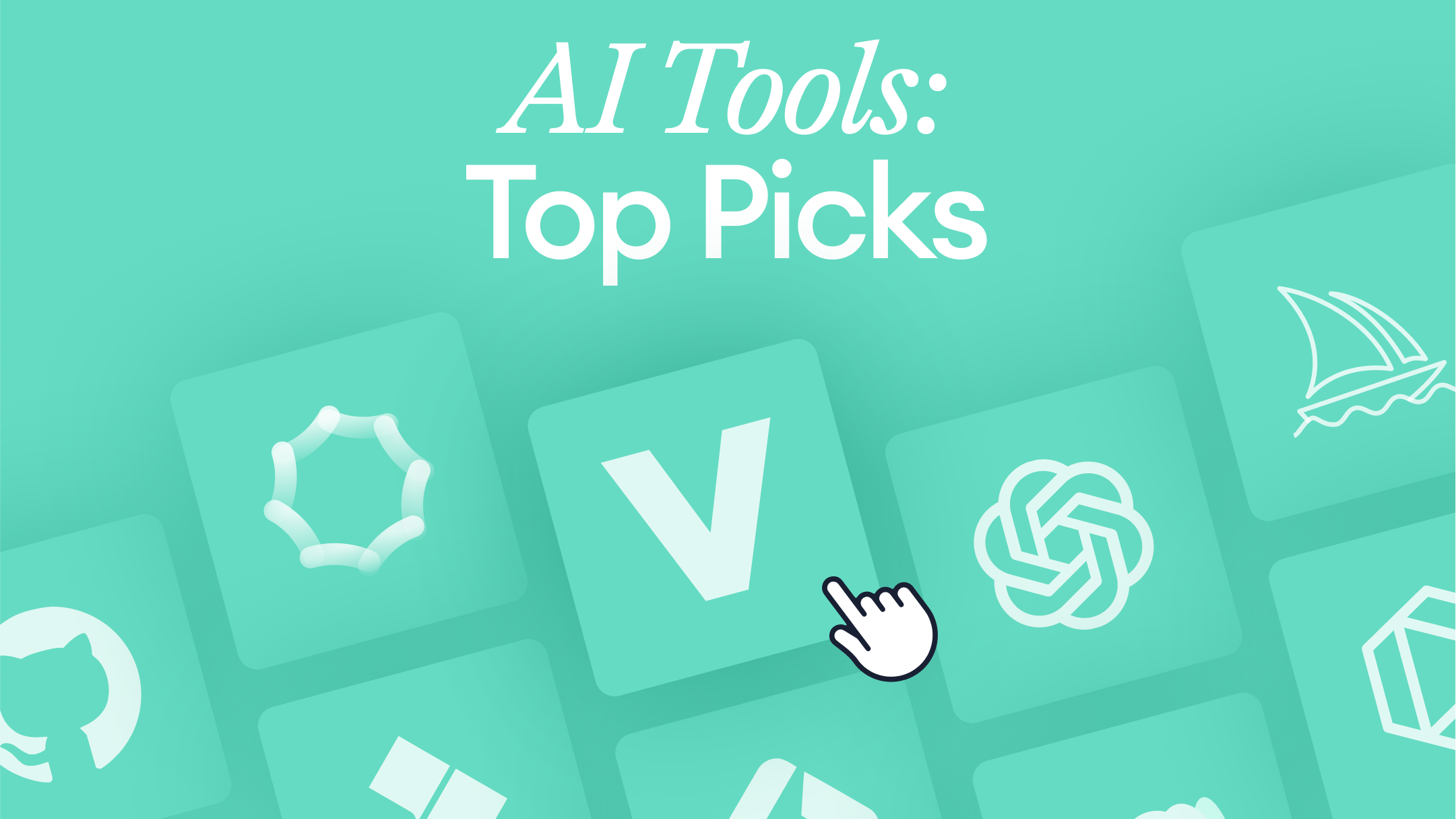
One of the most significant advancements in AI-driven design is the ability to generate unique and compelling visuals through machine learning algorithms. Tools like DALL-E and Midjourney have revolutionized image creation by allowing designers to input simple text prompts that result in intricate and imaginative designs. This capability empowers artists to explore concepts that might have been difficult or time-consuming to realize manually. By leveraging these Best AI tools 2026, designers can rapidly prototype ideas, iterate on them, and arrive at a final product that embodies both precision and creativity.
Moreover, AI tools are enhancing personalization in design like never before. With consumer preferences becoming increasingly diverse and dynamic, businesses must tailor their offerings to meet individual needs effectively. AI-powered platforms analyze vast amounts of data from user interactions, enabling designers to create personalized experiences that resonate with target audiences on a deeper level. For instance, websites can now dynamically adjust layouts based on user behavior patterns, ensuring an intuitive interface that enhances engagement.
Another area where AI is making significant strides is in automating repetitive tasks within the design process. Time-consuming activities such as resizing images for different platforms or generating variations of a single graphic can now be accomplished swiftly with minimal human intervention. This automation frees up valuable time for designers to focus on more strategic aspects of their work—ideation, concept development, and refining aesthetics—ultimately leading to higher-quality outcomes.
In addition to streamlining workflows, AI tools are fostering collaboration among multidisciplinary teams by breaking down communication barriers between creatives who may speak different “design languages.” Through natural language processing capabilities embedded within these tools, team members can convey ideas more effectively across various domains such as graphics, typography, motion design, and more. This collaborative synergy results in holistic designs that seamlessly integrate multiple elements into cohesive narratives.
Furthermore, sustainability has emerged as a crucial consideration in modern design practices—and here too; AI is playing an instrumental role by optimizing resource usage throughout project lifecycles while minimizing environmental impact wherever possible without compromising quality standards set forth during initial planning stages themselves! Machine learning models assess factors like energy consumption levels associated with specific materials used during production phases alongside other relevant metrics required achieving desired outcomes sustainably over extended periods beyond just immediate short-term goals alone!